✅ What is SEO?
SEO stands for Search Engine Optimization. It’s the process of improving your website so that it ranks higher in organic (unpaid) search results on Google or Bing.
✅ Pros of SEO:
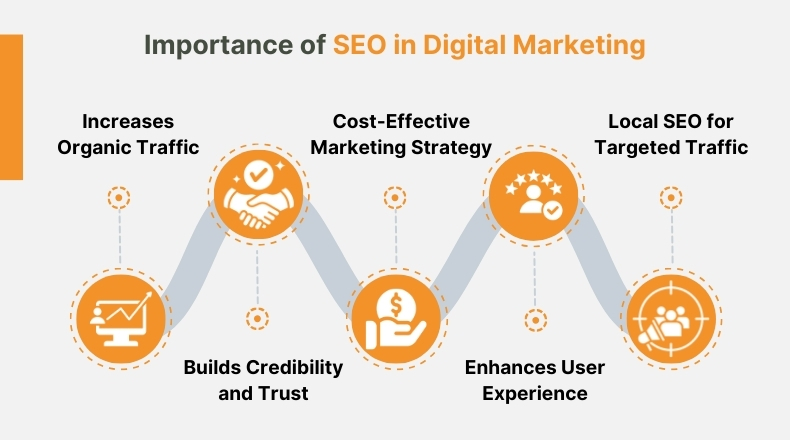
Long-term results
Builds trust and authority
Cost-effective over time
Organic traffic = better conversion rate
❌ Cons of SEO:
Takes time (3–6 months to show results)
Needs ongoing effort and consistency
Algorithm updates can affect ranking
✅ What is SEM?
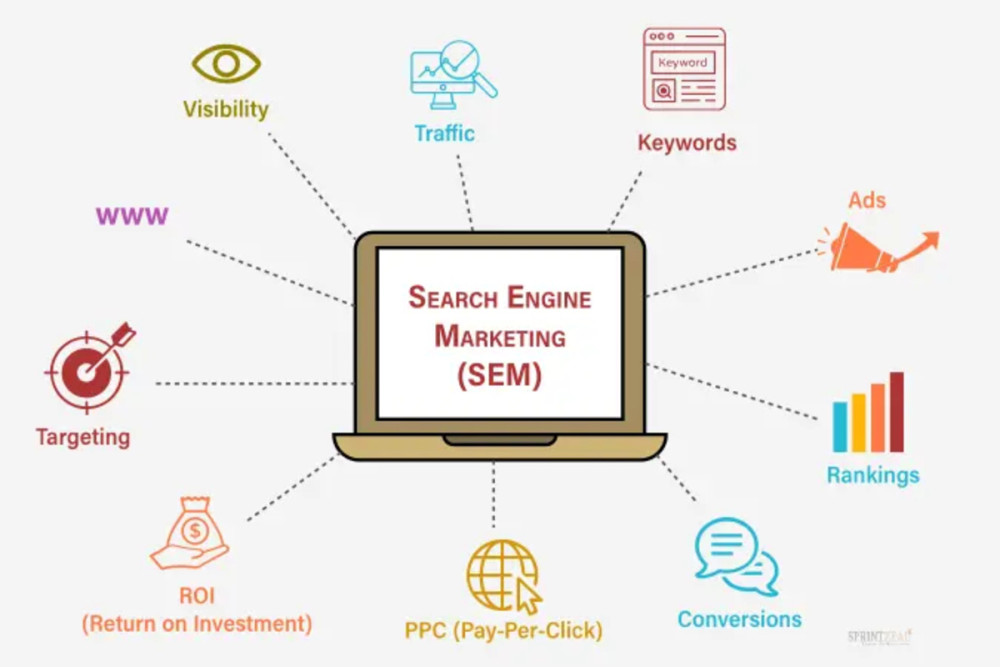
SEM stands for Search Engine Marketing, often referring to paid advertising (like Google Ads or Bing Ads). These ads appear at the top of search results with a small "Ad" label.
✅ Pros of SEM:
Immediate visibility
Highly targeted (location, keywords, time, device)
Budget control
Ideal for short-term goals, product launches, offers
❌ Cons of SEM:
Can get expensive over time
Traffic stops when you stop spending
Requires expert ad management to avoid wasted budget
🧠 Which One is Right for You?
That depends on your business goals, timeline, and budget.
Choose SEO if:
You want sustainable, long-term growth
You’re on a limited marketing budget
You want to build trust and brand authority
You’re in a niche with low competition
Choose SEM if:
You need quick results (launching a product, event, offer)
You have a marketing budget to invest in ads
You want to test keywords or audiences
You’re in a competitive niche where SEO will take too long
Q1: Is SEO better than SEM?
Not better — just different. SEO is long-term and cost-effective. SEM is short-term and gives quick results. The right choice depends on your goal.
Q2: Can I run SEO and SEM together?
Absolutely. In fact, many successful businesses do both for the best balance of traffic and conversions.
Q3: Is SEO free?
Technically yes — you don’t pay for clicks. But you do invest time (or hire an expert) to optimize content, website structure, and rankings.